Upcoming Event - Please Join Us!
Join us for the Green Mountain Chamber Music / Music for Food event
Saturday, May 18, 2024 from 7:00pm - 9:00pm
Isham Farm in Williston, Vermont
Proceeds benefit the Williston Community Food Shelf
Green Mountain partners with the Music for Food project, a musician-lead initiative that aims to fight hunger in local communities, to present an evening at Isham Farm in celebration of the festival's upcoming 20th summer season.
This event features a performance by the FaMa Quartet which formed at GMCMF in 2021, who will present works by Mendelssohn, Ysaÿe and Debussy. Guests will also have an opportunity to learn about Green Mountain from its leaders, as well as the mission of the Williston Community Food Shelf.
A light reception will be provided.
Attendees should bring a monetary (cash/check payable to the Williston Community Food Shelf) or perishable food item donation in lieu of a ticket purchase.
All proceeds benefit the Williston Community Food Shelf.
Join us for the Green Mountain Chamber Music / Music for Food event
Saturday, May 18, 2024 from 7:00pm - 9:00pm
Isham Farm in Williston, Vermont
Proceeds benefit the Williston Community Food Shelf
Green Mountain partners with the Music for Food project, a musician-lead initiative that aims to fight hunger in local communities, to present an evening at Isham Farm in celebration of the festival's upcoming 20th summer season.
This event features a performance by the FaMa Quartet which formed at GMCMF in 2021, who will present works by Mendelssohn, Ysaÿe and Debussy. Guests will also have an opportunity to learn about Green Mountain from its leaders, as well as the mission of the Williston Community Food Shelf.
A light reception will be provided.
Attendees should bring a monetary (cash/check payable to the Williston Community Food Shelf) or perishable food item donation in lieu of a ticket purchase.
All proceeds benefit the Williston Community Food Shelf.
Welcome!
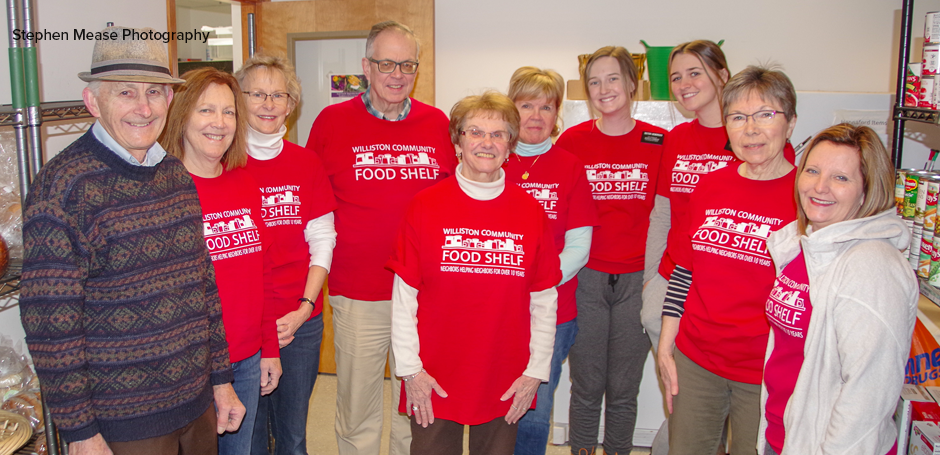
We are an all-volunteer community non-profit and we've been serving our neighbors since 2008.
We support individuals and families who live in Williston, Richmond and St. George, Vermont.
The Williston Community Food Shelf has NO guaranteed source of funding. We rely exclusively on the monetary and food donations from our generous community to fulfill our mission of Feeding Our Hungry Neighbors.
We are an all-volunteer community non-profit and we've been serving our neighbors since 2008.
We support individuals and families who live in Williston, Richmond and St. George, Vermont.
The Williston Community Food Shelf has NO guaranteed source of funding. We rely exclusively on the monetary and food donations from our generous community to fulfill our mission of Feeding Our Hungry Neighbors.
PLEASE HELP US WITH OUR URGENT NEEDS
We are currently seeing a large and increasing number of clients (over 300 families per month!) and are looking for donations of the following items:
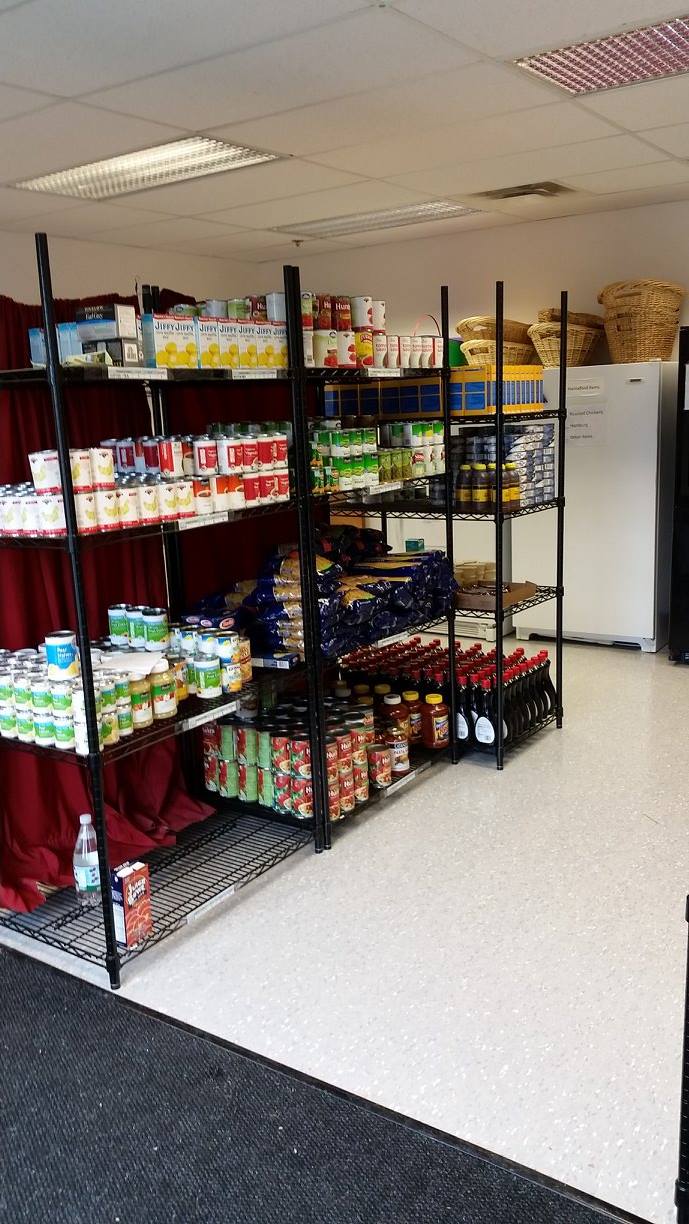
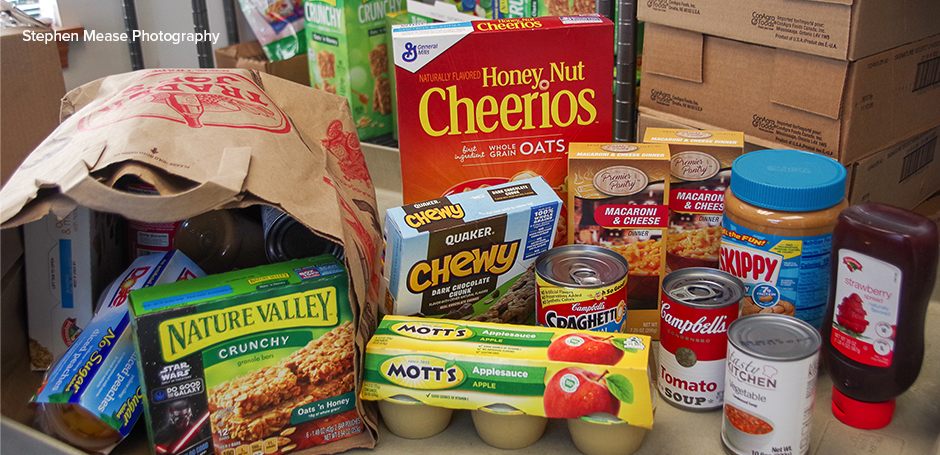
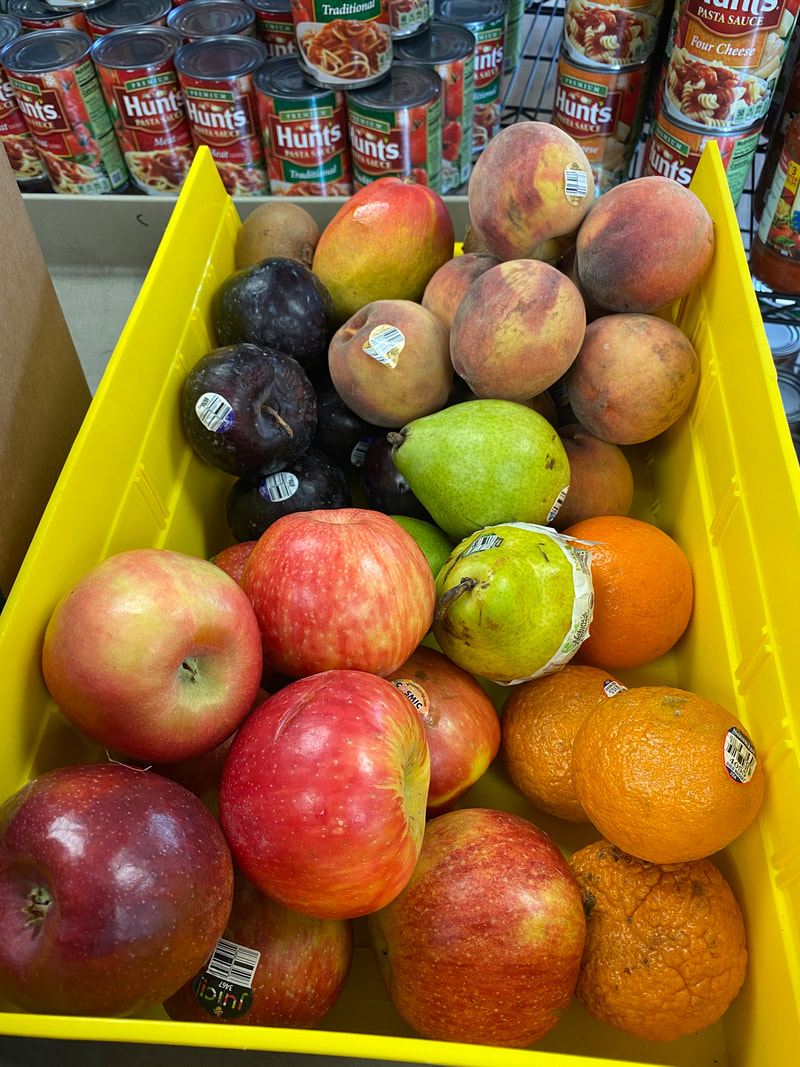
Canned Pasta Sauce, Canned Soups and Proteins, Juice, Peanut Butter and Jelly, Coffee,
Boxed Macaroni and Cheese, Personal Hygiene Products and Canned Pet Food
We are currently seeing a large and increasing number of clients (over 300 families per month!) and are looking for donations of the following items:
Canned Pasta Sauce, Canned Soups and Proteins, Juice, Peanut Butter and Jelly, Coffee,
Boxed Macaroni and Cheese, Personal Hygiene Products and Canned Pet Food
When You Visit the Food Shelf....
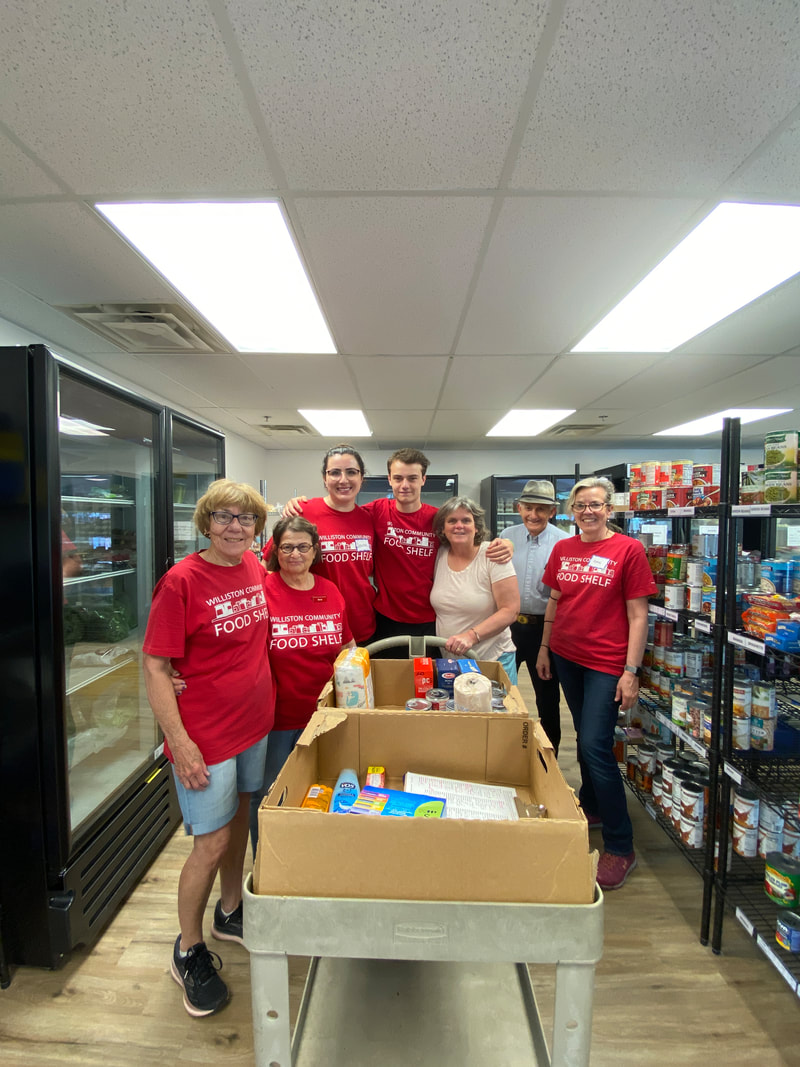
We currently offer clients the option to come inside the food shelf and "shop" with a volunteer
or to remain in their car and shop from a list we provide.
In either case, we'll bring your items to your car.
We currently offer clients the option to come inside the food shelf and "shop" with a volunteer
or to remain in their car and shop from a list we provide.
In either case, we'll bring your items to your car.